What is the difference between an RV park and a campground?
Types of Accommodations
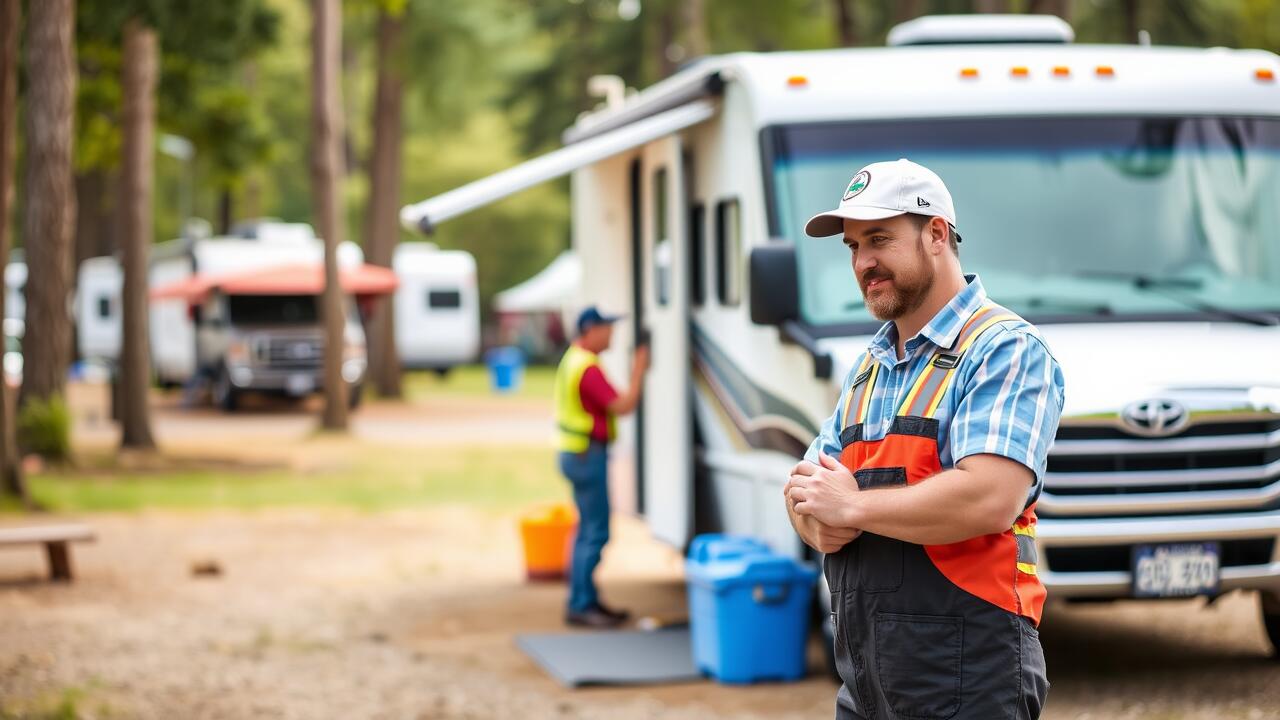
In RV parks, accommodations primarily consist of designated spaces for recreational vehicles. These spaces often feature full or partial hookups for water, electricity, and sewage, catering specifically to the needs of RV travelers. Many RV parks also offer additional amenities such as Wi-Fi, cable television, and recreational facilities, creating a more comfortable experience for guests. The infrastructure is typically designed for ease of access, allowing larger vehicles to maneuver and park without difficulty.
Campgrounds present a different array of accommodations, focusing more on outdoor experiences. Visitors often find tent sites, which may be basic or include picnic tables and fire rings. Some campgrounds also provide cabins or yurts for those seeking a more sheltered option without the need for equipment. The emphasis here is on connecting with nature, so the amenities may be limited compared to an RV park, enhancing the overall rustic experience for campers.
Campground Accommodation Options
Campgrounds often provide a variety of accommodation options to suit different preferences and budgets. Tent camping is one of the most traditional choices, allowing visitors to pitch tents in designated sites, usually surrounded by natural landscapes. Many campgrounds feature rustic cabins that offer a more comfortable alternative, equipped with basic amenities like beds and sometimes kitchen facilities. Additionally, some campgrounds include yurts or tipis, which provide a unique glamping experience, merging nature with a touch of cozy shelter.
In recent years, many campgrounds have begun to incorporate recreational vehicles into their offerings. Designated RV sites come with essential hookups for water and electricity, accommodating guests who prefer the convenience of a vehicle. Some locations also allow for portable trailer rentals, which can easily enhance the camping experience for those who don’t own an RV. Overall, campgrounds aim to provide flexible accommodation options that cater to families, couples, and solo adventurers alike.
Cost Comparison
When comparing the costs associated with RV parks and campgrounds, several factors come into play. RV parks tend to offer a range of amenities that can influence pricing, such as full hookups, laundry facilities, and recreational options. These features often come with a higher price tag, appealing to those looking for more comfort and convenience during their stay. Prices can vary significantly based on location, with premium spots near popular attractions or scenic views charging more.
Campgrounds typically provide a more basic experience focused on nature and outdoor activities. The cost usually reflects simpler accommodations, such as primitive sites with limited facilities. While some campgrounds offer additional amenities like showers and picnic areas, they generally remain more budget-friendly than their RV park counterparts. Seasonal factors, local events, and proximity to urban centers can also impact the pricing in campgrounds, making it essential for visitors to consider their specific needs when planning their stay.
Pricing Factors for RV Parks
Several factors influence the pricing of RV parks, including location and amenities. Prime destinations, such as coastal areas or popular tourist spots, often command higher rates due to demand. RV parks that offer additional facilities, such as swimming pools, organized activities, and convenience stores, typically charge more than those that offer basic services.
Seasonality also plays a crucial role in pricing. During peak travel seasons, rates can significantly increase as the demand for RV spots rises. In contrast, off-peak times may yield lower prices and discounts. The type of accommodations provided, whether full hook-ups, pull-through sites, or less developed camping spots, can further affect the overall cost for guests.
Cost Comparison
Understanding the pricing structures of RV parks and campgrounds reveals significant differences that can affect a traveler's budget. RV parks often charge per RV space and may include additional fees for utilities like water and electricity. Amenities such as Wi-Fi, pools, and laundry facilities can also influence the overall cost. Rates may vary depending on the season, location, and length of stay, with peak times usually resulting in higher prices.
Campgrounds, on the other hand, typically offer simpler accommodations, usually charging a flat fee for a campsite. Costs can vary based on the type of site, whether it is primitive, tent, or full-hookup. Additionally, campground fees may fluctuate due to seasonal demand. While some campgrounds provide amenities such as showers and fire pits, many focus more on a rustic experience, which can lead to lower overall expenses compared to more developed RV parks.
Pricing Factors for Campgrounds
Campgrounds generally offer a range of pricing structures based on several key factors. Seasonal demand plays a significant role; peak seasons often see higher rates due to increased visitor interest. Additionally, location can greatly influence prices. Those situated near popular attractions or bodies of water frequently charge more than remote or less accessible sites.
Amenities provided at the campground can also affect pricing. Basic campgrounds with limited services might offer lower rates, while those featuring facilities like restrooms, showers, and recreational activities often have a higher price point. Furthermore, the type of site, whether it be a tent space or a designated RV spot, can lead to variations in cost. Discounts for extended stays or group bookings may also be available, adding another dimension to the overall pricing strategy.
FAQS
What is the main difference between an RV park and a campground?
The main difference is that RV parks typically cater to RV travelers and offer amenities specifically for motorhomes and trailers, while campgrounds generally provide a more rustic experience with tent camping options and fewer facilities.
What types of accommodations can I find in a campground?
Campgrounds usually offer a range of accommodations including tent sites, cabins, and sometimes RV sites, allowing for various camping experiences.
Are RV parks more expensive than campgrounds?
Generally, RV parks can be more expensive due to their additional amenities and facilities designed for RV travelers, while campgrounds often have lower fees but may offer fewer services.
What factors influence the pricing of RV parks?
Pricing for RV parks can be influenced by location, the quality of amenities (such as hookups, restrooms, and recreation facilities), and seasonal demand.
Can I stay in a campground with an RV?
Yes, many campgrounds offer designated RV sites, but it's essential to check in advance if they can accommodate your specific RV size and requirements.